
Plan Your Trip to Ethiopia
Travel Safety Status
Where our tours run now
Addis Ababa & around
Day trips, city tours, Addis Stopover
Rift Valley & the South
Lakes, Hawassa, Arba Minch, Konso, Omo
South-West coffee forests
Jimma, Kaffa, Bonga
Bale Mountains
Ethiopian wolf, Sanetti Plateau
Harar, Dire Dawa & Awash
Walled city, Babile, Awash
Paused until the advice changes
Lalibela, Gondar & Simien
Amhara region
Axum & Gheralta
Tigray region
Danakil Depression
Afar region
Best Time to Visit
October to February
Dry, clear and green after the rains: the best all-round season and festival time (Meskel, Timkat).
March to May
Warm and mostly dry, with short rains in parts of the south. Good value and fewer visitors.
June to September
The main rains in the highlands: lush scenery and quiet sites. Addis day trips and the south still work well.
Addis Ababa sits at about 2,355 m: days are mild and nights cool all year. The Rift Valley, the Omo Valley and Awash are lower and hotter.
Visas
- Check that your passport is valid for at least 6 months
- Apply online for a tourist e-Visa before you travel
- Print or save your e-Visa approval to show on arrival
- Rules differ by nationality: check before booking flights
Health
Vaccinations
A yellow fever vaccination certificate may be required, depending on the countries you travel from or through. See a travel clinic 4–6 weeks before you travel.
Malaria
Malaria occurs in parts of the country, especially the lowlands. Addis Ababa and the high plateau are lower risk. Ask your doctor about prevention.
Altitude
Much of the north and Addis Ababa are above 2,000 m. Take the first day easy and drink plenty of water.
Food and water
Drink bottled or filtered water. Ethiopian food is delicious; start gently with spicy dishes.
Money and Payments
Currency
The Ethiopian birr (ETB). Bring US dollars or euros in clean notes to exchange at banks and hotels.
Cards and ATMs
Cards work in larger hotels in Addis Ababa; elsewhere, cash is needed. ATMs are found in towns but are not always reliable.
Tipping
Tipping guides, drivers and hotel staff is customary and appreciated. Ask us for a guideline for your trip.
Getting There and Around
- Fly into Addis Ababa Bole International Airport (ADD), the hub of Ethiopian Airlines
- Long layover? Turn it into an Addis Stopover tour
- Domestic flights save long drives to distant regions
- Our tours include private transport with an experienced driver
Culture and Etiquette
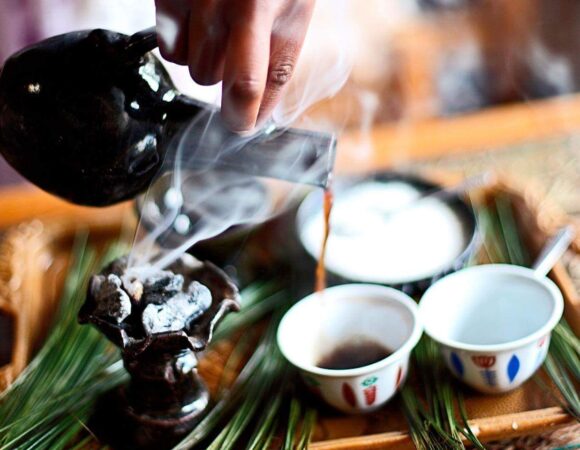
The coffee ceremony
Coffee is roasted, ground and brewed in front of you. Accepting a cup is a warm gesture.
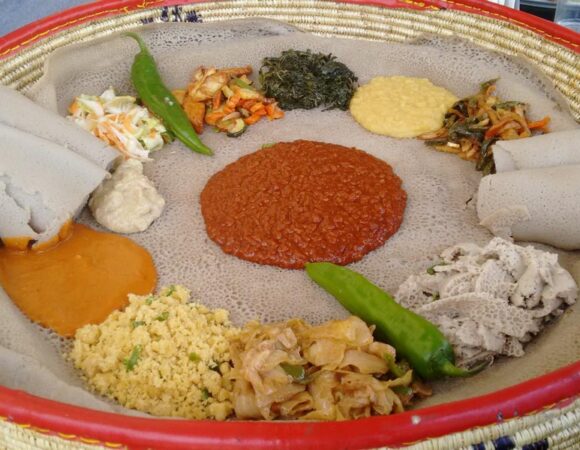
Eating injera
Food is shared from one plate and eaten with the right hand. Gursha, feeding a friend a bite, is a sign of respect.
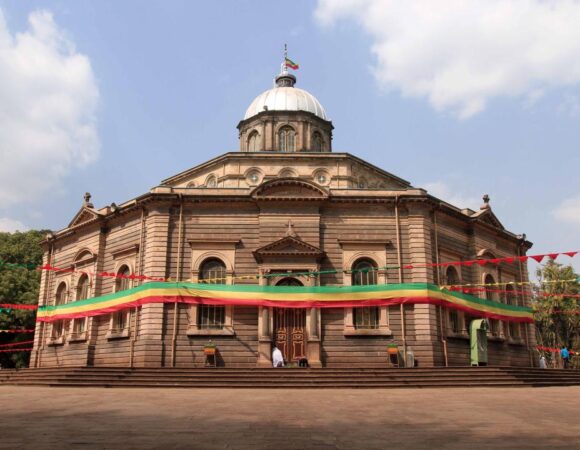
Visiting churches
Remove shoes, dress modestly and cover your shoulders. Women cover their hair.

Photography
Always ask before photographing people. Some communities expect a small payment.
What to Pack
- Light layers and a warm fleece
- Rain jacket (June–September)
- Comfortable walking shoes
- Sun hat and sunscreen
- Modest clothing for churches
- Scarf or shawl
- Plug adaptor (types C, E, F, L)
- Cash in clean US dollar notes
Common Questions
Do I need a visa for Ethiopia?
Most visitors do. Apply online for a tourist e-Visa at evisa.gov.et before you travel.
When is the best time to visit?
October to February is the most popular season. Ethiopia can be visited all year.
Is it safe to travel?
Our tours run only where UK and US travel advice allows; see the safety status above and read your government’s latest advice.
How do I book a tour?
Send a request from any tour page or contact us on WhatsApp or Telegram. No payment is needed to enquire.
Can you arrange a private or tailor-made trip?
Yes. All our tours can be private and adapted to your dates, pace and interests.